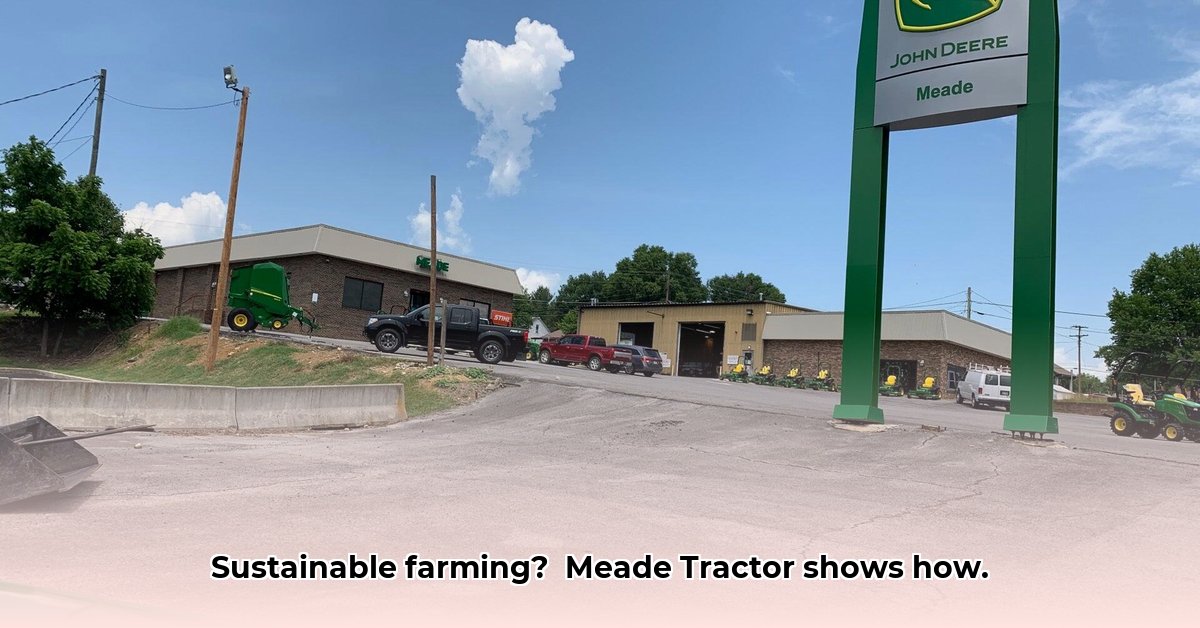
Meade Tractor, a prominent John Deere dealership serving Christiansburg, VA, and beyond, holds significant potential to advance sustainable agricultural practices across Virginia, Kentucky, Tennessee, and North Carolina. This article explores how Meade Tractor can leverage its resources and expertise to promote environmentally responsible farming, addressing both opportunities and challenges. For additional resources on agricultural equipment, check out this helpful website.
Opportunities for Sustainable Practices
Meade Tractor's access to John Deere's cutting-edge precision agriculture technology presents considerable opportunities. GPS-guided tractors, advanced soil sensors, and data-driven software enable optimized resource management. For instance, variable-rate technology ensures fertilizer is applied only where needed, minimizing waste and runoff. Smart irrigation systems, responding to real-time soil moisture data, conserve precious water resources. These technologies aren't just about increased yields; they're about environmental stewardship. What better way to showcase this than through farmer testimonials highlighting positive environmental and economic outcomes?
Precision agriculture offers tailored solutions to the diverse needs of the four-state region. Virginia's coastal areas, for example, can benefit from precise irrigation techniques to address water scarcity, while Kentucky farmers might prioritize soil health improvements using precision seeding and fertilization. The varied terrains of Tennessee and North Carolina demand adaptable solutions that precision agriculture provides.
Challenges and Barriers to Sustainability
Despite the technological advantages, several factors hinder the widespread adoption of sustainable farming. High upfront equipment costs represent a significant barrier for many farmers. "The initial investment can be daunting," notes Dr. Emily Carter, Agricultural Economist at Virginia Tech. "Access to affordable financing options is crucial." Furthermore, a lack of farmer awareness regarding the benefits and application of precision agriculture presents another challenge. Overcoming this requires robust educational initiatives.
The regulatory landscape also adds complexity. Farmers often face intricate compliance requirements concerning fertilizer usage and water management. Streamlining these regulations and offering clear guidelines, perhaps through partnerships with government agencies, can facilitate smoother transitions to sustainable practices.
Actionable Strategies for Meade Tractor
Meade Tractor can play a pivotal role in driving sustainable agriculture adoption by proactively implementing these strategies:
Invest in Comprehensive Farmer Education: Meade Tractor should establish itself as a leading provider of sustainable agricultural training. This involves organizing workshops, demonstrations, and field days showcasing the benefits of precision agriculture. These initiatives should include hands-on training and practical case studies.
Develop Strategic Partnerships: Collaborations with key stakeholders are essential. Partnerships with organizations like the USDA, state agricultural extension services, and local conservation groups can widen outreach and enhance credibility. Joint initiatives could provide technical support, funding opportunities, and access to resources.
Offer Accessible Financing Options: Explore partnerships with financial institutions to create tailored financing programs for farmers acquiring precision agriculture technologies. This may involve leasing options, subsidies, or grant applications to help farmers overcome initial investment hurdles.
Highlight Success Stories: Showcase successful local farmers who have adopted sustainable practices using John Deere technology. Documented positive environmental and economic results provide powerful testimonials, increasing confidence among potential adopters.
Embrace Data-Driven Transparency: Openly share data and reports on the environmental impact of sustainable farming practices. Demonstrating reductions in water use, fertilizer runoff, and fuel consumption will attract farmers and build trust. Such data transparency builds a strong case for long-term sustainability.
Conclusion: A Shared Vision for a Sustainable Future
Meade Tractor's position within the agricultural community uniquely positions it to lead the transition towards sustainable farming. By embracing education, forging strategic partnerships, and promoting data-driven transparency, Meade Tractor can become a critical contributor to environmental stewardship and the long-term success of farmers across Virginia, Kentucky, Tennessee, and North Carolina. This collaborative endeavor will not only benefit farmers and the environment but position Meade Tractor as a leader in the future of sustainable agriculture. The potential is significant, and the time for action is now.